
About Course
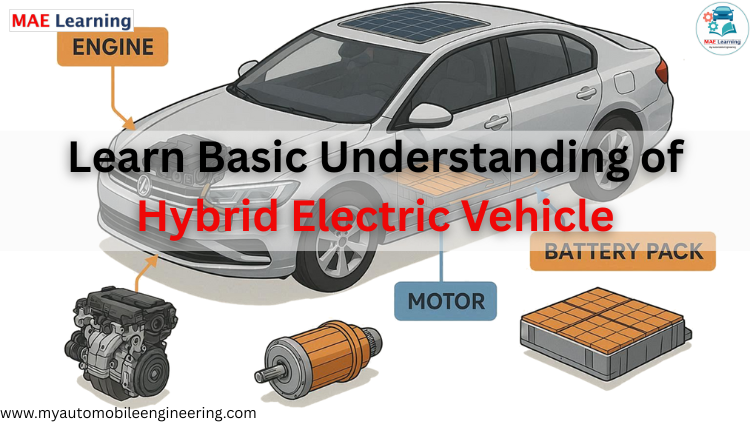
This course offers a clear and practical introduction to Hybrid Electric Vehicles (HEVs), focusing on how they combine petrol engines and electric motors to deliver better fuel efficiency and lower emissions.
- Learners will explore key components, working principles, energy management, and the different types of hybrid systems used in modern vehicles.
- The course features simple explanations, easy diagrams, and real-world examples to make complex topics accessible for everyone—including beginners and car enthusiasts.
- By the end of this course, you will understand hybrid vehicle operation, main components, advantages, and the basics of maintenance and environmental benefits, preparing you for careers or further study in the automobile industry.
Course Syllabus
Part 1 – Introduction to Hybrid Electric Vehicle
- Development of HEV
- Convention IC Engine Vs Battery Operated Vehicle
- HEV Layout
- Conceptual Idea Of Hybrid Electric Vehicle
- Condition In Hybrid Electric Vehicle
Part 2 – Hybridization- Mild, Micro & Pure HEV
- How Vehicles Are Basically Powered By
- Classification of Hybrid Electric Vehicles
- Degree of Hybridization
- MICRO Hybrid Electric Vehicle
- MILD Hybrid Electric Vehicle
- FULL Hybrid Electric Vehicle
- Series Hybrid Powertrain
- Parallel Hybrid Powertrain
- Series-parallel Hybrid Powertrain
- Split Hybrid Powertrain
Part 3 – Most Essential Components of Hybrid Electric Vehicle
- Auxiliary Battery
- Traction Battery Pack
- DC/DC Converter
- Electric Generator
- Electric Traction Motor
- Power Electronics Controller
- Internal Combustion Engine
- Exhaust System
- Fuel Tank (Gasoline)
- Thermal System (Cooling)
- Transmission
- Layout of Full HEV
Course Content
Part 1 – Introduction to Hybrid Electric Vehicle
Part – 2 Hybridization- Mild, Micro & Pure HEV
Part 3 – Most Essential Components of Hybrid Electric Vehicle
Student Ratings & Reviews

No Review Yet